Our Blogs
- Home
- /
- Our Blogs

Integrate Cambridge and IB Pathways: 7 Practical Steps for Indian Schools
Indian families are increasingly choosing international pathways. Many schools now offer both Cambridge Assessment International Education and the International Baccalaureate (IB) to expand subject ch...

CBSE ICSE Curriculum Mapping: A Six-Step Guide to Streamlined Lesson Planning
If your timetable speaks two dialects of the same language, lesson planning can feel like translation work. CBSE ICSE curriculum mapping turns that pain into a plan. By aligning the Central Board of S...

Maximise Learning Outcomes with the Top Educational Consultancy in India
School leaders across India are asking a sharper question this year: how do we raise student performance when assessments themselves are shifting to an application and competency focus? As one of Indi...
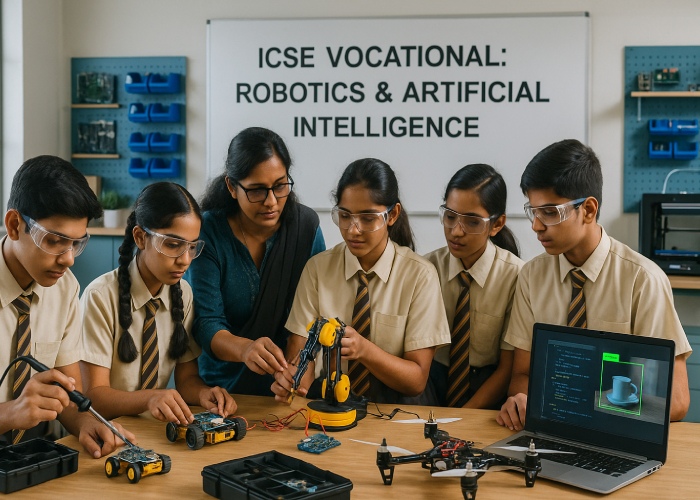
Redefining Classroom Delivery with the Latest ICSE Syllabus Insights
Indian classrooms are evolving quickly as the latest ICSE syllabus now places clearer emphasis on higher-order thinking, practical application, and inclusive assessment. In 2025, schools under CISCE b...

Achieve Educational Excellence via Professional Curriculum Alignment Services: A ‘Curriculum vs Syllabus’ Comparison for Indian Schools
If improvement feels slow, check your alignment. When curriculum, instruction, and assessment point the same way, classroom effort compounds. But when they do not then energy leaks. In India, the poli...

Why Schools Need Experiential Curriculum Design in the 21st Century: Trend Analysis and Future Playbook
There is a moment in every leader’s year when results come in, reports are read, and the uncomfortable truth emerges. Coverage is not the same as learning. The remedy is not a thicker textbook but an ...
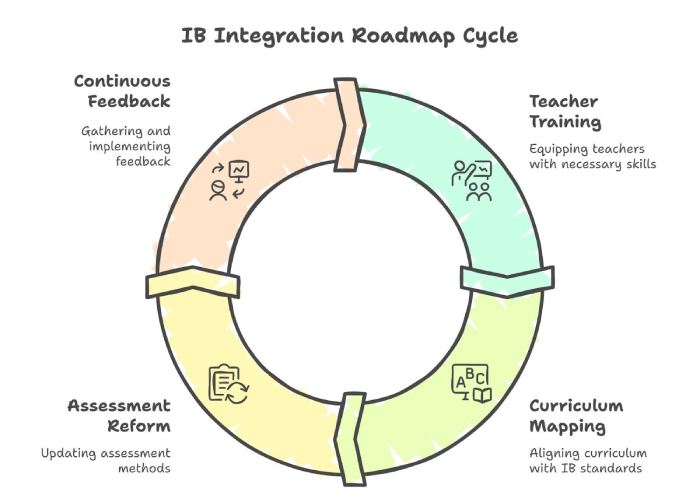
From Local Classrooms to Global Citizens: Elevating Education through IB Curriculum Integration Strategies
From Local Classrooms to Global Citizens: Elevating Education through IB Curriculum Integration Strategies
Introduction: The Global Lens Every School Needs
In an age where students may one day w...

IB Curriculum Integration As A Catalyst For Future‑Ready Schools
IB Curriculum Integration As A Catalyst For Future‑Ready Schools
Introduction: A Quiet Classroom, A Loud Realisation
A few years into my consulting journey, I walked into a classroom where the e...

Designing Interdisciplinary Lessons with Problem-Solving Learning Examples
Interdisciplinary learning is no longer a novelty, but it is how real thinking travels through a school day. ‘Designing interdisciplinary lessons with problem-solving learning examples’ matters becaus...

From Busy Hands to Sharp Minds: Implement Experiential Curriculum Design for Real-World Cognitive Engagement
Across Indian schools, leaders keep returning to one question: are students thinking with knowledge, or only repeating it for tests? ‘Implement experiential curriculum design to foster real-world cogn...

Future-Proof Classrooms with CBSE ICSE Curriculum Mapping Frameworks
School transformation rarely starts with material. It begins with clarity. When leaders adopt CBSE ICSE curriculum mapping as a practice, teachers stop fighting the syllabus and instead start designin...
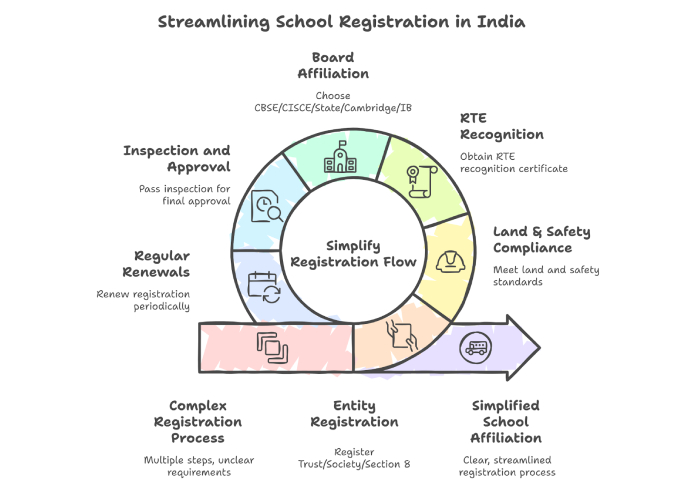
How To Register A School In India: Board-Wise Steps For 2025
Starting a school is equal parts dream and due diligence. Suppose you are asking, “How To Register A School In India?”. In that case, the simple answer is to secure legal status, meet Right to Educati...

Experiential Curriculum Design: Transforming Classrooms into Innovation Ecosystems
Why Experiential Curriculum Design Matters Now
Indian school leaders face an old dilemma dressed in new urgency on how to make learning relevant, rigorous, and joyful without overwhelming teachers....

CBSE–ICSE Curriculum Mapping for Indian Schools: Strategy, Evidence, and Practice
Curriculum mapping is not paperwork, but the discipline that decides what truly fits into limited weeks, and what must wait. When leaders attempt CBSE-ICSE curriculum mapping, the challenge is rarely ...

Improve Critical Thinking in Students Through Real-World Problem Solving
If there is one skill that changes a child’s relationship with learning, it is the ability to wrestle with messy, real problems. In Indian schools, time is tight and syllabuses are dense, but when we ...

ICSE Syllabus: Bridging Learning Objectives and Real-World Skills
The ICSE syllabus is the quickest route from objectives to real-world skills because it embeds Internal Assessment, project tasks, and reflective work. NatureNurture helps teams use these levers every...

Experiential Curriculum Design That Improves Real-World Student Outcomes
Indian school leaders want one thing that still feels rare: evidence that every hour in class leads to visible gains beyond exams. When experiential curriculum design is done well, you start seeing st...

How To Start A School In India
Starting a school is equal parts vision and paperwork. This guide gives school owners a clear, board‑agnostic path that respects the law, anticipates costs, and builds towards CBSE, CISCE, Cambridge, ...

How To Run A School Successfully
Running a great school is not about slogans. It is about clear outcomes, the right systems, and steady habits that your team can sustain. NatureNurture partners with schools across boards to align ped...

CBSE Vs ICSE Vs Cambridge
Choosing a board is a strategic decision that shapes teacher development, assessment culture, and long‑term pathways for students. Below is a practical, school‑leader’s view that balances recognition,...

How To Start A School
Starting a school is equal parts vision and due diligence. You need a solid plan, the right legal footing, regulatory approvals, and a curriculum that actually works in classrooms. NatureNurture partn...

7 Steps Of Curriculum Development
Make curriculum work predictable and effective with a clear, end‑to‑end process that embeds experiential, 21st‑century learning across CBSE, ICSE, Cambridge, and IB—complete with teacher training and ...

Benefits Of Nep 2020
India National Education Policy (NEP) 2020 reframes school education around equity, quality, and future readiness....

Best Education Company In India
For school leaders, the best education company in India is not a listicle winner. It is a partner that aligns with NEP 2020, builds 21st-century skills, and improves classroom practice without creatin...

CBSE Integrated Schools In Bangalore
In Bengaluru, integrated usually refers to a CBSE programme that blends strong board outcomes with structured preparation for competitive exams such as JEE and NEET, without losing focus on holistic d...

CBSE Or ICSE Which Is Better For Future
Choosing a school board shapes a child’s daily learning, but it does not lock their future. Both CBSE and ICSE are national boards with strong recognition in India and abroad. The better choice depend...

Benefits Of NEP 2020 For Students
School leaders often ask a simple question with big implications: what are the practical benefits of NEP 2020 for students inside my classrooms today? Below is a clear, school-ready view of how the po...

How To Open A School
Opening a school in India is a mission‑led venture that blends compliance, planning, and a clear academic vision. Below is a practical roadmap that shows you how to open a school, where to start, and ...

CBSE Vs ICSE Which Is Best
Choosing between CBSE and ICSE is not about finding a universally better board. It is about fit. Your decision should reflect your school vision, your parent community, and the pathways your students ...

Companies Related To Education Sector
School leaders often search for companies related to the education sector when they need practical help that improves teaching, learning, and outcomes. In India, demand is shaped by NEP 2020, which pr...

CBSE Vs ICSE Vs IB Vs Cambridge
Choosing a board is not only about textbooks. It affects assessment design, subject flexibility, university recognition, teacher development and how easily your school can align with current policy. M...

Differentiated Instruction
School leaders are moving fast towards competency-based learning. Differentiated instruction helps you meet this shift with practical routines that adapt teaching to each learner without lowering expe...

Educational Materials
Schools do not need more stuff. They need the right educational materials, mapped to outcomes, easy for teachers to use, and proven to lift learning. NatureNurture delivers curriculum-aligned print an...

CBSE Versus ICSE
What CBSE versus ICSE really means, how classroom assessment feels in practice, a snapshot comparison, and how NatureNurture partners across boards to make implementation smooth....

Differentiated Instruction Strategies
Why differentiated instruction strategies matter in CBSE and beyond. Indian classrooms are mixed-ability by design. With NEP 2020 pushing competency-based learning, teachers need practical routines th...

CBSE Vs ICSE Vs IB Vs IGCSE
Choosing a board is really about choosing a learning experience. CBSE, CISCE (ICSE/ISC), IB, and Cambridge IGCSE all set clear expectations for content, assessment, and post‑school pathways. The right...

Educational Resources Are Also Known As
Educational Resources Are Also Known As what school leaders should actually call them...

Educational Toys Manufacturers In India
Choosing the right supplier is less about catalogue size and more about reliability, safety, and fit with your pedagogy. Toys that reach your classroom must comply with BIS standards such as IS 9873 a...

How Can I Open A School In India
Follow a clear pathway from legal setup and RTE recognition to board affiliation, staffing, and launch readiness — and see where NatureNurture supports quality implementation alongside compliance....

CBSE Vs ICSE Vs IGCSE
Choosing a curriculum framework is a strategic decision that shapes teaching, assessment, parent expectations, and student outcomes. This page compares CBSE Vs ICSE Vs IGCSE with a practical, educator...

How To Implement Nep 2020 In School
NatureNurture works as a long-term school partner, not just a content vendor....

Difference Between CBSE And ICSE Curriculum
Choosing the right board shapes daily teaching, assessment, and operations. This page explains the difference between CBSE and ICSE in practical terms for school owners and principals—how each board s...

How To Improve Critical Thinking And Problem Solving Skills
Help students analyse claims, test ideas, and choose strategies with confidence. Aligned to India’s NEP 2020 and OECD’s PISA, this page shows practical routines and activities your teachers can use th...

How To Improve Students Performance As A Teacher
Designed for Indian classrooms — align to clear outcomes, make learning visible, give feedback that moves learning, and implement well across your school....

CBSE Vs ICSE Syllabus – Which Is Better And Why
Choosing a board is not just a syllabus decision. It shapes teaching methods, assessment patterns, and the skills your students practise every week. Use this clear, practical comparison to decide what...

How To Improve Critical Thinking Skills In Students
School leaders want more than test scores. You want learners who can question, analyse, and make good decisions in the real world. This guide shares evidence-based practices that make critical thinkin...

How To Register A School In India
Starting a school is a meaningful commitment to children and the community. The path involves clear legal set‑up, land and building approvals, recognition from the state, and board affiliation. This g...

ICSE Vs CBSE Vs IB
Choosing a board is not just a syllabus decision. It shapes teaching time, assessment rhythms, teacher development, and pathways for higher education. Below is a clear, scan‑friendly comparison that h...

How To Improve Critical Thinking In Students
Build a common language, simple routines, and visible assessment so every teacher can develop reasoning, evidence use, and metacognition....

Importance Of Experiential Learning
Experiential learning gives students purposeful, hands‑on experiences followed by reflection and application. It improves understanding, retention, and transfer of knowledge, and aligns w...

India Best Education Institute
Parents often search for India Best Education Institute lists, but school leaders know that Best is earned through consistent pedagogy, evidence of learning, and family trust....

Inquiry Based Learning Examples
Inquiry based learning puts students questions at the centre, then builds knowledge through investigation, collaboration, and reflection...

Key Features Of Integrated Curriculum
An integrated curriculum helps students connect ideas across subjects, see real-world meaning, and build the 21st-century skills your school cares about. Instead of moving through isolated chapters, l...

Problem Solving Learning Examples
Indian schools are moving from memory checks to competency-based learning, which means students must show how they analyse, plan, and apply knowledge to new situations. The National Education Policy h...

Process Of Curriculum Development B.Ed Notes
School leaders and trainee teachers often look for a concise, exam-ready explanation of the process of curriculum development that still works in real classrooms...

ICSE VS CBSE VS IGCSE VS IB
Choosing between ICSE, CBSE, IGCSE, and IB is really a choice about outcomes. Use this page to understand curriculum, assessment, flexibility, and recognition, then plan an implementation that fits yo...

Professional Development For Teachers Examples
School leaders want professional learning that lifts classroom practice, not just attendance numbers. This guide brings together evidence, India-specific policy, and field-tested formats to offer Prof...

How To Start A Private College In India
Starting a private college in India is achievable when you follow a clear, compliant path. Below is a concise roadmap that aligns with current UGC, AICTE, and state norms, and shows where NatureNurtur...

Role Of Teachers In Nep 2020
Teachers sit at the centre of India education reform. NEP 2020 frames teachers as respected professionals with autonomy, dignity, and the support needed to enable every learner to thrive. It also asks...

Secondary School Means In India
Understand how ‘secondary’ is used in everyday school parlance (Classes 9–10) and in policy under NEP 2020 (Grades 9–12). Plan curriculum, assessments, and staffing without confusion....

Top Educational Consultancy In India
School leaders want partners who translate policy into classroom progress. As a top educational consultancy in India, NatureNurture helps schools strengthen teaching, align with board requirements, an...

What Is CBSE Curriculum
CBSE’s curriculum is the planned set of learning experiences, content, pedagogy, and assessment that affiliated schools use to help learners achieve specified competencies. It aligns with NEP 2020 and...

What Is Experiential Learning In Education
Experiential learning means learning by doing with purpose and reflection. Students act, pause to make sense of what happened, connect it to ideas, and try again in a new way. It is practical, memorab...

CBSE Vs ICSE Vs IGCSE Vs IB Vs State Curriculum
Parents and principals often ask which curriculum is ‘Best.’ The better question is which pathway fits your school’s mission, community, and growth plans. Across India, CBSE, CISCE (ICSE/ISC), Cambrid...

Top 5 Education Companies In India
School leaders searching for the Top 5 Education Companies In India usually want more than a list. You want measurable learning gains, curriculum alignment, and a partner that fits your context. This ...

What Are The Advantages Of Nep 2020
India’s National Education Policy 2020 sets a clear path from rote learning to relevant, future-ready schooling. For school leaders, the real advantage is practical: NEP 2020 aligns pedagogy, assessme...

What Is Experiential Learning In The Classroom
Experiential learning means students learn by doing, reflecting, and applying ideas in real contexts. It is not just activity for activity’s sake. It is a structured cycle where learners have a concre...

What Is Hands On Learning
Hands-on learning is learning by doing. Students work with materials, solve real problems, and reflect on what worked, so knowledge sticks and skills grow. It aligns with experiential learning theory,...

What Is Inquiry-Based Learning
Inquiry-based learning is a student-led approach where curiosity drives the lesson, and questions lead to investigation, evidence, and action. It builds critical thinking, communication, and research ...

What Is Integrated Syllabus
A coherent plan of study that connects concepts, skills, and assessments across subjects so learners meet outcomes through real-world themes rather than isolated chapters. This strengthens rigour, boo...

What Is Professional Development For Teachers
Professional development is ongoing, job-embedded learning that helps educators improve classroom practice, keep pace with curriculum and technology, and raise pupil outcomes. High-quality PD is susta...

What Is Stem Education In India
STEM is a practical way to build problem solvers. In India, it means bringing science, technology, engineering, and mathematics together through real projects, not isolated chapters. It aligns strongl...

Which Curriculum Is Best
Choosing a curriculum is not about a brand. It is about fit. When school leaders ask Which Curriculum Is Best, the honest answer is that the right board depends on your goals, community, and capacity....

What Is Stem Learning
STEM learning integrates science, technology, engineering, and mathematics into coherent, real-world problem solving. In practice, this means students design, test, and iterate, rather than memorise s...

Which Is Better CBSE ICSE Or State Board
Choosing a board is about fit — for your students, teachers, and community. Compare recognition, curriculum and assessment, mobility, exams, and the ecosystem. Then see how NatureNurture supports any ...

Which Syllabus Is Best For Primary School
Choosing a syllabus at the primary stage sets the tone for how children think, express, and make sense of the world. If you are asking Which Syllabus Is Best For Primary School, the real answer is the...

Why Is Professional Development Important For Teachers
Professional development is not a nice to have. It is the engine that improves classroom practice, student outcomes, and whole‑school culture. Evidence shows that well‑designed professional learning c...

Which Is Better ICSE Or CBSE Board
Choosing between national boards is a strategic decision that shapes your curriculum, assessments, staffing, and parent expectations. Here is a clear, decision-ready view for school owners and princip...

TLM full form
What does the TLM full form mean in education? TLM full form stands for Teaching Learning Material. These are physical, digital, or audio-visual resources that teachers use to explain ideas clearly an...

Foundational Literacy and Numeracy
India National Education Policy calls foundational literacy and numeracy the highest priority in primary schooling because every later outcome depends on it. By the end of Grade 3, children should rea...

Lead ERP
NatureNurture lead ERP helps schools track every enquiry, nurture parent conversations, and convert admissions with clarity. It unifies CRM, fees, academics, and communication in one secure, mobile‑fi...

Theory of Knowledge
Theory of Knowledge is a mandatory core of the IB Diploma Programme that invites students to reflect on the nature of knowledge and how we know what we claim to know. NatureNurture partners with IB sc...

Teacher Training Program
NatureNurture partners with schools to build teacher capacity through an educator‑first, experiential approach. Coaching cycles, PLCs, and bootcamps map to national standards so growth is clear, stage...

IB Skills
IB Skills are the habits and strategies students use to learn effectively across subjects. In the IB, these are called Approaches to Learning, emphasising learning how to learn. The framework spans th...

How Many ICSE School In India
Best current, data-backed estimate for 2025: around 1,500 ICSE-affiliated schools in India. A third‑party audit lists 1,489 ICSE schools as of September 2025. Larger figures you see often combine ISC ...

Reasoning Questions Quiz
NatureNurture classroom‑ready assessment and practice system builds verbal, non‑verbal, and logical reasoning. Designed for timetabled use, quick remediation, and visible growth....

List of School Improvement Ideas
Modern schools grow stronger when change is clear, measured, and shared by everyone. Use this practical list of school improvement ideas to shape a focused plan, move quickly on early wins, and sustai...

What is FLN
Foundational Literacy and Numeracy is the bedrock of learning in the early years. In India, the National Education Policy makes it the highest priority for primary schooling because children must read...

Innovative Ideas For School Development
School development is not a one-off project. It is a steady shift to learner-centred, future-ready practice that raises outcomes and trust. At NatureNurture, we help schools turn ideas into classroom ...

Secondary Education System In India
India has transitioned to a 5+3+3+4 school design. The secondary stage covers Grades 9–12 in two phases (ages 14–18). Certification anchors around Class 10 and Class 12 board examinations conducted by...

What are the main features of NEP 2020
NatureNurture partners with schools to put the National Education Policy into practice with clear classroom moves and measurable outcomes. Our approach blends experiential pedagogy, 21st-century skill...

NEP 2020 main points
NatureNurture partners with schools to put the National Education Policy into practice with clear classroom moves and measurable outcomes. Our approach blends experiential pedagogy, 21st-century skill...

Erp In School
When school operations are scattered across registers, spreadsheets, and apps, leaders spend more time firefighting than improving learning. An ERP in school centralises admissions, fees, attendance, ...

ATL Skills
Approaches to Learning, or ATL skills, are the IB’s cross-curricular behaviours that help learners become self-regulated and agentic. The five categories are Thinking, Communication, Social, Self-mana...

Marketing Ideas for School Admission
Prospective parents want clarity, trust, and a quick path from curiosity to campus. NatureNurture’s approach blends ethical digital tactics with experiential outreach so school leaders can fill seats ...

Challenges Of Technology In Education
When technology enters classrooms, leaders want impact, not just devices. Evidence shows benefits vary by context, teacher readiness, and infrastructure, and total costs are often underestimated. That...

School Advertising
Parents and students research options online, compare experiences, and decide quickly. Search and YouTube dominate those discovery moments for Indian Gen Z and young parents, making a coherent digital...

Cbse School Franchise Cost
CBSE School Franchise Cost: a practical guide for school promoters in India...

English Syllabus Of UKG Class
Early language learning in UKG should balance oral language, phonological awareness, and print-rich exploration with playful reading and writing experiences that grow confidence. India’s National Curr...

Child Education Policy
NatureNurture partners with schools to convert policy into classroom practice through curriculum, training, and implementation support across boards, with a long track record of experiential, 21st-cen...

Importance Of Skill Development
Employers value transferable skills such as analytical thinking, problem solving, creativity, and collaboration. These skills rise in importance over the next five years. Indian policy also points the...

Importance Of Teaching Learning Material
Teaching learning materials are the concrete and digital resources that make ideas visible, touchable, and memorable for learners. Chosen well, TLMs fit stage‑wise goals and pedagogy so learning is ac...

Low Cost School Building Design in India
Low Cost School Building Design in India | NatureNurture...

Meaningful Report Card Comments
Under India’s NEP 2020, schools are moving to Holistic Progress Cards that value competencies, well‑being, and real evidence of learning. NatureNurture helps partner schools adopt assessment that is e...

Model Schools
Together, these strands set a practical brief for school leaders: create inclusive, future-ready campuses that deliver strong academic progress, skills, and wellbeing....

Best Primary Schools In India
Choosing or building the best primary schools in India is not only about high boards results. The National Education Policy (NEP 2020) resets priorities around foundational learning, play-based pedago...

LMS School
Together, these strands set a practical brief for school leaders: create inclusive, future-ready campuses that deliver strong academic progress, skills, and wellbeing....

Difference between Society and Trust
Choosing the right legal form shapes how your school or NGO is owned, governed, and held accountable. This guide explains the difference between society and trust in India, with a clear, school-focuse...

How to increase admission in school
Parents compare safety, academic outcomes, and real-world skill building. Alignment with NEP 2020 matters, since it emphasises experiential, competency-based learning and foundational literacy and num...

School Marketing
Parents begin with a search and judge a school by its web presence long before a campus visit. Meeting them in these intent‑rich micro‑moments across devices is now essential to influence shortlists a...

NEP Features
India’s National Education Policy 2020 sets out a child-centred, skills-rich pathway from early years to Grade 12. For school leaders, the headline change is the 5+3+3+4 structure that begins at age 3...

NEP 2020
The National Education Policy, commonly searched as NEP 2020, reshapes Indian schooling from early years to Class 12. It replaces the 10+2 model with a learner-centred structure, emphasises foundation...

School Franchise Cost
Smart class equipment brings together interactive displays or projectors, a teacher device, classroom audio, a document camera, safe networking, and simple software that lets teachers present, annotat...

Qualification required to open a school
There is no personal academic degree mandated for a promoter to open a school. What matters is the institution’s eligibility — being a registered society/trust/Section 8 company, obtaining RTE recogni...


Difference between Trust and NGO
In India, “NGO” is an umbrella term. Your not‑for‑profit school can be a Public Charitable Trust, a Society, or a Section 8 Company. Choose what best fits your governance, compliance, and funding need...

Online Curriculum Planning Tool
Our tool helps schools design, map, and iterate curricula in one place. It supports flexible frameworks so you can work with CBSE, ICSE, IB, Cambridge, and UK expectations, while staying focused on re...

Best Learning App In India
NatureNurture’s learning app is built for schools that want joyful, hands‑on learning aligned to India’s curricula. It blends interactive lessons, projects, and analytics with teacher‑first workflows,...

Educational Tablet For Students
Schools need more than a consumer gadget. NatureNurture bundles curriculum-ready content, classroom controls, and whole-school deployment so learning stays focused and safe. Our approach fits India’s ...

Curriculum Apps
A single, secure hub for curriculum mapping, collaborative planning, assessments, integrations, and analytics that guide improvement at school scale....

Trust vs Society
Choosing between a trust and a society is one of the first strategic calls for anyone setting up an education initiative, from a community learning centre to a full K‑12 school. Both support charitabl...

How to open a school in india
Opening a K‑12 school in India is achievable when you map approvals, infrastructure, people, and pedagogy in the right order. Use this roadmap that blends regulatory steps with learning design choices...

Trust and Society Difference
Opening a school in India usually begins with one decision. Should you register a public charitable trust or a society. Both are non-profit, both can hold property, and both can run schools. The diffe...

Private School in India
Running a private school in India means balancing compliance, pedagogy, and community expectations while staying aligned with the National Education Policy. This page gives school owners a clear overv...

ERP full form in school
ERP full form in school stands for Enterprise Resource Planning. In schools, ERP is the unified system that connects admissions, fees, HR, finance, transport, inventory, timetable, exams, library, and...

Curriculum and Syllabus Difference
Quick definitions that matter in schools. Clear, school‑ready distinctions with Indian board context, examples, and steps to align both across your institution....

Creative Teaching
Creative Teaching turns every lesson into a space for ideas, inquiry, and making. NatureNurture partners with schools to embed experiential, 21st‑century learning across subjects through co‑designed l...

Education Tools
Leaders need Education Tools that actually improve teaching, not just add clutter. NatureNurture helps schools select, implement, and sustain tools that build 21st‑century skills while aligning with I...

Best LMS for schools
Choosing the best LMS for schools is not a hunt for features alone. It is a decision about teacher time, student outcomes, and how closely your digital platform aligns with NEP priorities and CBSE lea...

IB Learner Profile
The IB learner profile is the IB mission in action. It describes ten attributes that go beyond academic success and shape a school’s culture: inquirers, knowledgeable thinkers, communicators, principl...

Difference Between Trust and Society
A trust is a legal arrangement where trustees hold property to advance stated charitable objectives. A society is a member-driven association formed to promote charitable, literary, scientific, or sim...

Report Card Comments for Students
Clear, specific comments help families understand progress and next steps. NatureNurture’s comment banks combine subject outcomes with skills such as collaboration, creativity, and resilience—always w...

ICT Tools
Effective use of ICT tools helps schools improve access, quality, and equity in learning. UNESCO highlights ICT as a driver for better teaching, teacher development, and education management. For Indi...

What is curriculum in education
A curriculum is more than a list of topics. It is the planned, coherent design of learning in a school, including aims, content, pedagogy, assessment, materials, and teacher preparation. In India, the...

Difference between curriculum and syllabus
Quick definitions you can trust. A curriculum is the planned learning across a school or system. A syllabus is a subject‑level plan for a specific course or exam. UNESCO’s curriculum glossary adds tha...

National Curriculum Framework 2005
NCF 2005 set India’s modern, child‑centred direction for curriculum, pedagogy, and assessment — calling for joyful learning, real‑life connections, inclusion, and flexible evaluation across stages and...

Concept of Curriculum
Curriculum is more than a list of topics. It is the organised plan for learning that sets out what learners should know and be able to do, how they will learn, and how progress will be assessed....

What is the meaning of curriculum
In everyday use, curriculum means the programme of learning offered by a school or course. Dictionaries often reduce it to ‘the courses offered,’ which is useful but narrow. In education practice and ...

Principles of curriculum development
Curriculum development is the organised design of what learners should know, how they learn it, and how learning is judged. Strong curricula are coherent, inclusive, and aligned with clear goals so te...

Curriculum Development Process
A strong curriculum is more than a syllabus. It is a living plan that defines outcomes, sequences learning, and continuously improves based on evidence. NEP 2020 and the National Curriculum Framework ...

Steps of curriculum development
Designing a strong curriculum is a practical, stepwise process. It begins with the needs of your learners and community, and ends with measured impact that loops back into improvement. UNESCO’s guidan...

What is National Curriculum Framework
Understand the National Curriculum Framework (NCF), why it matters, what is changing with NCF 2023, and how to implement it with confidence....

Meaning of Curriculum Development
Curriculum development is the purposeful, systematic planning and improvement of what learners should know, the experiences through which they learn, and how their learning is assessed. It brings toge...

School Curriculum selects its content from
A well-designed curriculum is not a list of chapters. It is a set of deliberate choices about what young people should learn, why it matters, and how it builds into future-ready competence. Put simply...

Effectiveness of school curriculum is determined by
A high-quality curriculum is clear on aims, coherent across years, relevant to learners, and supported by strong assessment and teacher capacity. In short, curriculum effectiveness is determined by ho...

Definition of Curriculum Development
Curriculum development is the systematic process of planning, designing, organising, implementing, and evaluating what learners should know and be able to do. It brings objectives, learning experience...

School curriculum selects its content from our
When we say a school curriculum selects its content from our framework, we mean choices are anchored in national guidance and global quality benchmarks, then localised for your learners. India’s NCF 2...

Major concern of school curriculum is
Across leading Indian and global frameworks, the major concern of school curriculum is the holistic development of every learner, with equal attention to knowledge, skills, values, and wellbeing....

National Curriculum Framework PDF
The National Curriculum Framework is India’s blueprint for curriculum, pedagogy, assessment, and textbooks. The latest school-wide framework is the National Curriculum Framework for School Education 2...

School curriculum select its content from our
Curriculum content is not chosen at random. In India today, content is selected to serve agreed aims, reflect society’s values, honour learners’ needs, and align with subject knowledge and national fr...

Curriculum Design Meaning
Curriculum design is the purposeful organisation of learning goals, content, pedagogy, and assessment so that students achieve clearly defined outcomes. Authoritative education bodies describe curricu...

CBSE Curriculum 2022-23 class 12
NatureNurture partners with schools to implement the CBSE Class 12 curriculum with clarity and confidence. The 2022–23 senior secondary curriculum was released by CBSE with board‑approved subject outl...

Curriculum Conclusion
A curriculum conclusion is where evidence, intent, and classroom reality meet. Use this page to turn findings into clear decisions and an action plan for your next cycle....

National Curriculum Framework NCF 2005
NatureNurture works with schools to translate policy into classroom practice. This page breaks down the National Curriculum Framework (NCF) 2005 and shows how your school can implement it with teacher...

Course Curriculum Meaning
In simple terms, a course curriculum is the planned structure for a single course. It sets the learning outcomes, the content to be taught, the pedagogy, the assessments, and the resources that suppor...

National Curriculum Framework 2022
Move from policy to practice. NCF 2022 anchors the 5+3+3+4 design of NEP 2020 with play at the core, a clear aims → goals → competencies → learning outcomes spine, and the home language at the centre ...

Curriculum in a sentence
School leaders often just need the right wording. Below is a quick, practical guide to use the word curriculum correctly in different contexts, with authentic examples you can lift for letters, propos...

Steps of Curriculum Development PPT
School leaders often search for “steps of curriculum development ppt” because they need a crisp, decision‑ready deck that turns policy into action. Below is a concise, PPT‑friendly walkthrough that bl...

National Curriculum Framework 2005 Recommendations
National Curriculum Framework 2005 Recommendations: What School Leaders Need Now...

Arrangement of the elements of curriculum is known as
It is the organisation of aims, content, pedagogy, and assessment into a coherent plan so learners experience progression and continuity across years. UNESCO’s curriculum glossary frames these as stru...

School Curriculum Meaning
A school curriculum is the full set of planned learning experiences that a school organises for its pupils. It includes subjects, progression, teaching approaches, assessment, and wider experiences — ...

Recommendation of national curriculum framework 2005
NCF 2005 reframed Indian schooling around five clear ideas that still guide quality improvement today. It asked schools to connect knowledge to real life, move beyond rote learning, enrich the curricu...

Integrated curriculum meaning
An integrated curriculum means teaching that connects two or more subjects around a common theme, question, or real‑world task so pupils build understanding across disciplines rather than in silos. It...

Curriculum Development and School
NatureNurture partners with schools to co-design and implement evidence-based, experiential curricula that build 21st-century skills alongside strong academics....

School curriculum select its content from
A high-quality school curriculum selects its content from four anchors. Start with the learner and local context. Add contemporary disciplinary knowledge. Align to national aims and policy. Finally, i...

Curriculum Content
Curriculum content is the organised body of knowledge, skills and values students are expected to learn, described clearly enough that teachers can plan instruction and assessment with confidence....

New curriculum structured will be cross pending too ages
A “new curriculum structured will be cross pending too ages” signals a stage-wise, age-appropriate design that connects skills across years. In practice, it means mapping learning goals to age bands, ...

Curriculum Framework Meaning
A curriculum framework is an overarching guide that connects national vision and policy to classroom practice. UNESCO’s IBE describes it as a document that states broad aims across stages, guides syll...

Principles of curriculum construction PDF
Curriculum decisions shape daily teaching and long term outcomes. When someone searches for “principles of curriculum construction pdf,” they usually want an authoritative, ready reference that transl...

Managing the Curriculum
Managing the curriculum is the ongoing work of planning, delivering, checking, and improving what students learn so that it remains coherent, equitable, and effective. India’s NEP and the NCF ask scho...

Section 8 company is governed by the
A section 8 company is governed by the Companies Act, 2013 and licensed and administered through the Ministry of Corporate Affairs (MCA). Section 8 defines the charitable objects, the ‘apply profits t...

Principles of curriculum development pdf
PDF: A practical guide for school leaders. Curriculum decisions shape daily learning, teacher planning, and long‑term outcomes. When school leaders search for “principles of curriculum development pdf...

National curriculum framework for school education will be prepared by
Quick answer: who prepares the NCF for School Education? The National Curriculum Framework for School Education (NCF‑SE) is prepared by the National Council of Educational Research and Training (NCERT...

National curriculum framework 2005 summary
Reduce curricular load, move beyond exam-driven teaching, and build inclusive, joyful classrooms with practical steps you can adopt this term....

Curriculum development B.Ed notes
Curriculum development is the organised planning of learning experiences to meet agreed aims, improve quality, and ensure equity in schools....

The Curriculum
Getting “the curriculum” right is the most reliable way to improve teaching time, learner engagement, and results. NatureNurture partners with schools to co‑design a living curriculum that is standard...

Arrangement of elements of curriculum is known as
NatureNurture works with schools to make curriculum organisation clear, coherent, and future-ready. Below is a concise, research-aligned guide you can put to work right away....

Relationship between aims of education and curriculum
How NatureNurture helps schools align intent with impact by translating aims into objectives, content, pedagogy, and assessment with evidence of learning....

Curriculum development and school pdf in hindi
A ready Hindi pack that translates policy into day‑to‑day planning. Aligned to NEP 2020 and the National Curriculum Framework (2023), with stage‑wise outcomes, model units, assessment banks, and teach...

Curriculum Curriculum
Designing a future-ready curriculum is more than listing topics. It is the planned set of learning experiences that help every child build knowledge, skills, and values across the school day. UNESCO f...

Smart Modern School Login
Built by NatureNurture for seamless school access. Secure sign‑in that brings academics, operations, and communication into one place with role‑based access aligned to experiential, 21st‑century learn...

UKG Work Sheet
Early years deserve joyful, structured practice. NatureNurture’s Ukg Work Sheet pack is a printable, school-ready set that blends play with purposeful literacy, numeracy, and EVS tasks. It aligns to I...

Teaching Techniques
NatureNurture partners with schools to embed classroom techniques that build 21st‑century skills through experiential learning – not rote work....

Primary Teaching
Primary teaching is evolving fast. India’s National Education Policy sets a clear direction for joyful, competency‑based learning, with a firm emphasis on foundational literacy and numeracy by Grade 3...

Benefits Of Smart Class
Smart classes are no longer a luxury in Indian schools. They are a practical way to improve learning outcomes, reduce teacher workload, and align with NEP 2020....

Digital Classes In Schools
Digital classes in schools blend interactive content, devices, and teacher facilitation to deepen learning, not replace it. India’s policy context supports this shift through NEP 2020 and national pla...

Curriculum Questions
Choosing or refreshing a curriculum is a strategic decision. The right curriculum questions help you judge alignment with policy, pedagogy, and outcomes. Leading frameworks recommend checking fit to m...

English Worksheet Class UKG
English Worksheet Class Ukg resources from NatureNurture help schools deliver joyful, play-based practice that strengthens phonics, vocabulary, handwriting, and early comprehension. Our packets align ...

Atl Learning Skills
Thinking • Research • Communication • Social • Self-management. A practical framework that teaches students how to learn across subjects and thrive in unfamiliar contexts....

Report Card Remarks
Report card remarks carry real weight for families and students. Done well, they clarify progress, spotlight strengths, and set the next step clearly. Strong comments are specific, actionable, and lin...

Comments for report card
Report cards are not only about grades. They are a chance to show progress, clarify next steps, and build a partnership with families. This page gives you a simple framework plus ready-to-use examples...

Learner profile attributes
Learner profile attributes describe the knowledge, skills, and dispositions that schools nurture so students become thoughtful, ethical, and globally minded. These traits translate a mission into obse...

Principal of curriculum
Turn framework into practice with outcomes‑first design, experiential learning, coherent progression, ongoing assessment, and teacher empowerment — aligned to NEP 2020 and NCF....

In the curriculum
A modern school curriculum is more than a syllabus. It is the organised plan for learning that defines objectives, content, pedagogy, assessment, materials, and teacher preparation — aligned to NEP 20...

Curriculum vs Syllabus
A curriculum is the full plan for learning — aims, content, pedagogy, assessment, teacher preparation, and how the pieces work together across stages of schooling. A syllabus is a course or subject ou...

Objectives of Curriculum
Curriculum objectives define the knowledge, skills, and values your learners must gain, and they are the anchor for planning, teaching, and assessment. A strong curriculum states clear objectives and ...

What do you understand by curriculum?
A clear definition schools can use today. When you are asked what do you understand by curriculum, think of the complete, organised set of learning experiences a school designs so that learners achiev...

What do you mean by curriculum?
A curriculum is the organised plan for learning across a school, not just a list of topics. It sets out what learners should achieve, how they will be taught, and how progress will be measured....

Definition of curriculum in education
In simple terms, the curriculum is the full, intentional plan for learning in a school. UNESCO describes it as the design, organisation, and planning of an education or training action, covering learn...

Role of teacher in curriculum development
Teachers are closest to learner needs. This page shares NatureNurture’s co-design approach and how teacher agency drives outcomes across design, implementation, and review....

Approaches to curriculum development
School leaders often ask which approach to use when redesigning curriculum. The answer depends on outcomes, context, and teacher readiness. Below is a concise guide to the dominant approaches—and how ...

Stages of curriculum development
A clear curriculum development cycle helps schools align with NEP 2020 and the National Curriculum Framework while keeping teaching relevant and measurable. NatureNurture partners with schools to desi...

Components of curriculum design
A strong curriculum has clear parts that work in harmony. School leaders often ask what the components of curriculum design are and how to organise them for measurable impact. At NatureNurture, we ali...

What is curriculum development?
Curriculum development is the systematic process of planning, designing, implementing, and evaluating what students should learn, how they should learn it, and how learning will be assessed. It aligns...

Curriculum design definition
Curriculum design is the purposeful and systematic organisation of what students should learn, how they will learn it, and how learning will be assessed. It is the blueprint that turns aims into day‑t...

What is meant by curriculum?
It is the full, planned learning experience a school designs—aligning aims, content, pedagogy, assessment, and resources into a coherent plan across years. Here’s how we turn that into classroom impac...

Differentiate between curriculum and syllabus
A practical guide to differentiate between curriculum and syllabus for school principals and academic coordinators. Understand scope, ownership, timelines, and examples in one place....

Curriculum Structure
School leaders want a curriculum structure that is clear, consistent, and flexible enough to evolve. In practice, that means a coherent architecture that defines outcomes, content, pedagogy, assessmen...

Curriculum India
“Curriculum India” refers to how schools plan learning across stages, subjects, pedagogy, and assessment, guided nationally by the National Education Policy 2020 and the National Curriculum Framework ...

Aims and objectives of curriculum
NatureNurture partners with schools to convert policy aims into classroom practice through integrated curricula, teacher training, and assessment tools. Our programmes embed 21st‑century skills, life ...

What is curriculum design?
Curriculum design is the deliberate planning of learning: deciding what learners should achieve, how they will learn, and how progress will be assessed. International guidance frames curriculum as the...

Concentric approach in curriculum
The concentric approach organises learning so that core ideas return in later grades with greater depth. It is closely related to Bruner’s spiral curriculum, which revisits topics over time and increa...

Curriculum planning definition
Curriculum planning definition, in plain terms, is the structured process of deciding what learners should know, how they will learn it, and how success will be measured across a programme of study. I...

Types of curriculum design
Most schools choose from three well‑established models—subject‑centred, learner‑centred, and problem‑centred—and many effective programmes blend elements of all three....

Meaning of curriculum planning
Curriculum planning means the systematic process of deciding what learners should know and be able to do, then mapping how teaching, learning, and assessment will achieve those outcomes across a perio...

Steps of curriculum construction
Curriculum construction is a systematic, evidence-led process that moves from aims to classroom impact, with clear checks for quality and inclusion....

Methods of curriculum construction
Across research and policy, five families of methods recur — objectives or ends–means planning, teacher‑led inductive planning, backward design, spiral sequencing, and cyclical or interactive models. ...

National curriculum framework for teacher education
Align teacher preparation and CPD to current policy instruments with classroom-ready support that turns reform into practice....

Latest national curriculum framework
India’s latest national curriculum framework is the National Curriculum Framework for School Education, 2023 (NCF 2023). It operationalises NEP 2020 for ages 3 to 18 through the 5+3+3+4 structure and ...

Steps of curriculum design
Designing an effective curriculum is a structured process that turns your vision for learning into daily classroom practice. At NatureNurture, we partner with schools to make this practical, future‑re...

Stages of curriculum planning
A clear, six‑stage cycle aligned with NEP 2020 and NCF 2023. Plan backward from outcomes, align assessment, and improve teaching with evidence from classrooms....

Steps of curriculum designing
Curriculum sits at the heart of quality education because it shapes what learners know, how they think, and who they become. At NatureNurture, we help schools move from intent to impact with a clear, ...

Principles of curriculum planning
NatureNurture partners with schools to turn the principles of curriculum planning into a coherent, learner‑centred programme that improves outcomes and aligns to Indian and global frameworks. High‑qua...

Concept of curriculum development
Curriculum development is the organised work of defining aims, selecting content, shaping pedagogy, and setting up assessment and teacher support so learners achieve clear outcomes. UNESCO frames curr...

Process of curriculum evaluation
Curriculum evaluation keeps teaching relevant, equitable, and effective. With India’s policy direction (NCF 2023) emphasising competency‑based, holistic assessment, a structured, repeatable evaluation...

Bases of curriculum development
“Bases” are the fundamental lenses that shape what is taught, how it is taught, and why it matters. In school systems, the widely accepted bases are philosophical, psychological, sociological, and his...

Importance of curriculum development
Curriculum sits at the heart of schooling. A well-designed curriculum guides what teachers teach, how students think, and who they become, and is essential for inclusive, equitable, quality education ...

Stages of curriculum construction
Curriculum construction is the organised journey from intent to classroom impact. Most authoritative frameworks describe a recurring sequence that starts with aims and ends with evaluation, not as a o...

Phases of curriculum development
A clear four‑phase cycle: Plan & align, Design the learning, Implement with support, and Evaluate & improve. Curriculum is a living process linking aims, content, pedagogy, assessment, and system read...

Curriculum steps
Move from intent to impact with a clear, repeatable six-step pathway — diagnose needs, define outcomes, map scope and sequence, design learning, implement with support, evaluate and iterate....

Dhoni Education
Dhoni education turns a national role model into a practical, sports-led leadership programme for K–12. We use MS Dhoni’s journey to teach decision making, calm under pressure and ethical leadership t...

What is curriculum framework?
A curriculum framework is a structured guide that sets the vision, outcomes, and guardrails for what learners should know and be able to do. It aligns aims, content standards, pedagogy, and assessment...

Levels of curriculum planning
Curriculum planning works best when everyone sees the same picture. In India, national frameworks like the NCF 2023 set the direction, while schools translate that intent into programmes and teachers ...

Objectives of curriculum development
Clear objectives keep the curriculum coherent, equitable, and future ready. International bodies frame a quality curriculum as the backbone of inclusive, lifelong learning and sustainable development,...

What is curriculum construction?
Curriculum construction is the structured process of deciding what learners should know and be able to do, then organising content, pedagogy, assessment, and resources into a coherent plan that can be...

Three types of curriculum
Understand both accepted triads used by educators: formal, hidden, and null; and subject‑, learner‑, and problem‑centred design. Use them together to align with India’s NCF 2023, sharpen audits, and i...

Curriculum designing adaptation and evaluation
Move from coverage to meaningful learning. Align outcomes, pedagogy, and assessment; widen access with smart adaptations; and evaluate improvement with evidence that teachers can use....

Steps in curriculum planning
A practical, evidence-based approach so your team can move from intent to classroom impact with confidence....

Curriculum design concept
Curriculum design is the purposeful organisation of learning aims, content, pedagogy, and assessment to help every learner meet clear outcomes. It is the blueprint that turns educational goals into da...

Teachers role in curriculum construction
Teachers shape what and how learners experience the curriculum every day. Research and policy now expect teachers to be co-designers who adapt national frameworks into meaningful, local learning plans...

National curriculum framework for school education
Turn NEP 2020 vision into classroom practice with clear stage-wise actions, assessment upgrades, and teacher support aligned to NCF 2023....

Need of curriculum development
India’s move to competency-based education means redesigning what is taught, how it is taught, and how learning is measured — with NEP 2020 and NCF 2023 anchoring outcomes-aligned, flexible curricula ...

Curriculum planning process
School leaders want a curriculum that is coherent, policy-aligned, and practical for teachers to deliver. NatureNurture partners with schools to make that happen through a clear, evidence-based curric...

Challenges of curriculum development
A guide for school leaders to navigate complex, contested curricula and keep learning relevant to fast‑changing social needs....

Modern concept of curriculum
A modern concept of curriculum is broader than a list of subjects. It is learner‑centred, competency‑based, and designed to build transferable 21st‑century skills alongside knowledge. Global framework...

Playgroup Curriculum
NatureNurture’s playgroup curriculum gives ages 2 to 4 the right start through play, stories, songs, movement, and rich talk. It aligns with India’s ECCE vision and the Foundational Stage while stayin...

Difference between curriculum design and curriculum development
Understanding the distinction: curriculum design is the blueprinting of learning. Curriculum development is the end‑to‑end process that takes that blueprint through creation, implementation, and conti...

Explain the concept of curriculum
At its simplest, the curriculum is the organised plan for learning in a school — not just a list of topics. It connects aims, content, pedagogy, and assessment so teaching leads to agreed outcomes....

Challenges in curriculum development
Curriculum work is messy because it touches everything students experience. Policies evolve, communities change, and teachers need time and tools to make new intentions real in classrooms. The result ...

In the process of curriculum development syllabus is placed between
In the process of curriculum development, the syllabus is placed between the National Curriculum Framework and textbooks. We help you operationalise this step with NCF‑aligned scope & sequence, textbo...

Features of curriculum
In the process of curriculum development, the syllabus is placed between the National Curriculum Framework and textbooks. We help you operationalise this step with NCF‑aligned scope & sequence, textbo...

Meaning and concept of curriculum
Understand what curriculum truly means today: the full set of planned and lived learning experiences spanning aims, content, pedagogy, assessment, and the learning environment. Move confidently from c...

Education System
Align your school with NEP 2020 and NCF 2023. Enable competency-based learning, teacher development, and assessment practices that go beyond exams — while staying inclusive and data-informed....

LKG UKG School Near Me
Parents searching “Lkg Ukg School Near Me” want two things: proximity and a safe, play‑rich start. In metros, private schools often use a 100‑point system where distance carries the highest weight. We...

Hindi Recitation Poems
Hindi recitation is a high-impact way to strengthen oral language, cultural connection, and confidence from the Foundational Stage upwards. NEP 2020 urges enjoyable, interactive language learning with...

Curriculum In Schools
Modern Curriculum In Schools is no longer a list of topics. It defines what students should know, how they will learn, and how learning will be assessed, including teacher preparation and materials. U...

NEP 2020 key points
The policy reorganises schooling into the 5+3+3+4 stages, encourages mother‑tongue instruction through at least Grade 5, prioritises Foundational Literacy and Numeracy (FLN), and shifts assessment to ...

Remarks for students in report card
School leaders want report cards that are clear, fair, and genuinely helpful. Thoughtful remarks make family conversations easier and give teachers a shared language for progress. This page explains w...

Good comments for students report cards
Principals and coordinators often ask for a single page that shows what "good comments" look like, how to write them fast, and how to keep them aligned with India's holistic, competency-based assessme...

Report card comments
Clear, specific comments turn grades into guidance. In many systems, leaders must send written annual reports that explain progress in plain language for parents. Clarity about what was taught, how th...

Teachers comments on students' progress report
School leaders need clear, actionable, and kind feedback on every report. This page shows how NatureNurture helps your teachers write teachers comments on students' progress report that are specific, ...

Remarks for report card for students
School leaders want report card remarks that inform families, guide next steps, and reflect each child fairly. NatureNurture helps schools standardise this process with evidence-based templates that k...

National Curriculum Framework 2023
NCF 2023 is India’s official blueprint for school education (ages 3–18). It defines aims of education, curricular structures, learning standards, and assessment principles. Schools and boards can refe...

Class teacher remarks for report card
Class teacher remarks for report card entries do more than close a term. Done well, they tell families what a child can already do, what needs attention, and what will happen next....

Progress Report Card
School leaders want reporting that is accurate, fair, and simple for families to read. A modern progress report card should highlight growth, make standards visible, and prompt timely action. NatureNu...

General Remarks for Report Card
School leaders want report cards that speak to families with clarity, care, and next steps. NatureNurture helps teams write general remarks for report card summaries that are specific, growth-focused,...

Pre Primary class names
Schools commonly label the three years before Class 1 as Playgroup or Pre-nursery, Nursery, Lower Kindergarten (LKG) and Upper Kindergarten (UKG). Policy language now groups these into the Foundationa...

IB mission statement
The IB’s mission is to develop “inquiring, knowledgeable and caring young people who help to create a better and more peaceful world” through intercultural understanding and respect. In practice, this...

DPS Classroom
NatureNurture partners with schools to set up DPS-style classrooms that prioritise experiential pedagogy, 21st-century skills, and measurable outcomes. We help leadership teams align room layouts, rou...

Thinkroom
School leaders want classrooms that build curiosity, confidence, and real-world skills. A thinkroom is our way of making that happen every day. It is an intentionally designed learning space, toolkit,...

Solutions for Schools
NatureNurture solutions for schools that deliver measurable learning and lasting change....

Steps of curriculum
NatureNurture partners with schools to build a clear, replicable pathway for curriculum planning that is aligned to Indian policy and global best practice. The steps of curriculum described below are ...

Step of Curriculum
School leaders often search for a clear, practical path to design or refresh what is taught, how it is taught, and how learning is measured. In simple terms, the step of curriculum is a structured, it...

NIPUN full form
The NIPUN full form is National Initiative for Proficiency in Reading with Understanding and Numeracy. It is the Government of India’s mission to ensure all children attain foundational literacy and n...

Integrated Curriculum Model
The World Economic Forum has noted that many employers expect a large share of workers’ core skills to change by 2027. For school leaders, that lands as an uncomfortable question: are our children lea...

Integrated Curriculum | Definition, Benefits & Examples
The World Economic Forum reports that employers expect 44% of workers’ skills to be disrupted in the next five years. That is not a workforce headline. It is a school leadership headline. It is tellin...

How do schools in India implement project-based learning across all grade levels
By aligning projects to NEP 2020 competencies, structuring inquiry around a driving question, scaffolding work across the Foundational, Preparatory, Middle, and Secondary stages, and assessing both pr...

How Schools in India Can Implement Project-Based Learning from Kindergarten to Grade 12
The strongest project-based learning strategies for Indian schools running Classes 1 to 12 combine stage-appropriate project design, NCF-SE-aligned driving questions, extended timetable blocks for inq...

The Curriculum of Nursery Class Is Being Rewritten in India: What School Leaders Must Do Before 2027
The rules of nursery education in India have changed. Not gradually, but decisively. Since the National Education Policy 2020 replaced the 10+2 structure with the 5+3+3+4 model, the nursery year no lo...

10 Mistakes Schools Make in the Professional Development of Teachers Under NEP 2020 and the CBSE 50-Hour Mandate
Something has quietly shifted in Indian K-12. Since 1 April 2025, every teacher in every CBSE-affiliated school must complete fifty hours of Continuous Professional Development each year, mapped to th...

CBSE Class Syllabus vs ICSE Syllabus in 2026: Why CBSE ICSE Curriculum Mapping Is the Decision Your School Actually Needs to Make
For twenty years, Indian K-12 school leaders have argued about the same question. CBSE or ICSE. Which board is stronger. Which is easier. Which one produces better JEE ranks or better English speakers...

Educational Kits For Students in India: 8 Myths K-12 Schools Must Stop Believing Before 2027
Somewhere between the annual budget meeting and the parent-teacher orientation, the conversation about educational kits for students turns into a shopping list. Which robotics box, which activity subs...

From Makerspace to STEAM Ecosystem: How One K-12 School Chose a STEAM Education Provider and Rebuilt Its Curriculum for the 2026-27 AI Classroom
In 2021, a CBSE-affiliated K-12 school in North India with roughly 1,800 students from Nursery to Class 12 did what most Indian schools were doing at the time. It bought a Makerspace. A single room wi...

Nursery Teacher Training in India: 4 Lessons from Reggio Emilia, Finland, Japan, and Singapore That Can Rebuild Your Nursery School Curriculum
Something odd is happening in Indian pre-primary education. ASER 2024 records that 77.4 per cent of three-year-olds and 83.3 per cent of four-year-olds in rural India are now enrolled in some form of ...

Learning Management Systems: A Three-Year Case Study in Turning Technology Into Teaching
Three years ago, a CBSE-affiliated K-12 school in western India signed off on a new learning management system after a single afternoon of vendor demonstrations. The brochure listed more than forty fe...

International School Franchise or Curriculum Partnership: What Indian School Trustees Should Choose in 2026-27
NatureNurture, the K-12 curriculum design and school transformation partner working across CBSE, ICSE, Cambridge, and IB schools in India, hears a specific question from trustees more often each year....

School Teacher Training Programs: The Mistakes Indian K-12 Schools Keep Making in 2026
A 2025 meta-analysis of 128 high-quality studies on teacher professional development found something that should unsettle any trustee currently budgeting purely for compliance. The number of training ...

Primary School Curriculum in India: The Design Shift Every School Must Make Before 2026-27
NatureNurture has spent two decades watching schools discover the same uncomfortable truth at different speeds. A primary school curriculum built to cover textbook chapters is not the same thing as a ...

Classroom Management System: Separating the Myths Indian Schools Believe from What Actually Works
Search the phrase "classroom management system" and the results split three ways. Some point to software that locks student screens. Some point to interactive panels and hardware racks. A few point to...

Holistic Learning For Children: What School Leaders Should Check Before Signing a Vendor
Search for advice on holistic learning for children and almost everything written for an Indian audience targets parents, course directories, kit catalogues, lists of eight domains or fifteen characte...

Innovative Learning Solutions: Meeting the CBSE 2026-27 CT and AI Mandate Before the Clock Runs Out
Most conversations about innovative learning solutions in Indian schools still sound like they belong to 2019. A robotics kit here, a smart-class subscription there, a teacher workshop once a term. Na...

Robotics Kits For Classrooms: 7 Mistakes Indian K-12 Schools Make
Every year, schools across India spend lakhs on robotics kits for classrooms, and every year a familiar scene repeats itself. The kits arrive in labelled boxes, get photographed for the school newslet...

Robotics In Education: Where Indian K-12 Is Heading by 2030
For most of the past decade, robotics in education was a choice. A school could add a lab, or not. It could enter a competition, or skip it. From the 2026-27 session, that optionality has quietly ende...

Robotics For Kids: What Is Right at Each Age, and the Myths to Drop
Ask ten people when a child should start robotics and you will get ten different answers, most of them attached to a product. A kit box says age six. A coaching centre says age eight. A forwarded mess...

International Curriculum in India: Seven Myths K-12 School Leaders Should Retire
An international curriculum promises much to a school leader. Global recognition. Inquiry-led classrooms. A prospectus that parents in tier-one and tier-two cities now scan for the letters IB or IGCSE...

Holistic Learning Solutions: Five Myths Indian School Leaders Should Retire
In the PARAKH Rashtriya Sarvekshan 2024, the average mathematics score for Grade 9 students fell to 37 per cent, the lowest of any grade surveyed, and fewer than three in ten could apply the idea of p...

The New Curriculum in 2026-27: How Indian Schools Can Turn Reform into a Whole-Child System
For most of the last two decades, a change of curriculum meant a change of textbooks. A school placed a fresh order, teachers rewrote their year plans over the summer holidays, and life carried on. Th...

K-12 Education Solutions: 8 Myths Indian School Leaders Should Drop
Ask ten education solution providers what a K-12 education solution is, and you will hear ten versions of the same answer: a platform, a content library, a set of kits, an assessment tool. NatureNurtu...
©2026 NatureNurture